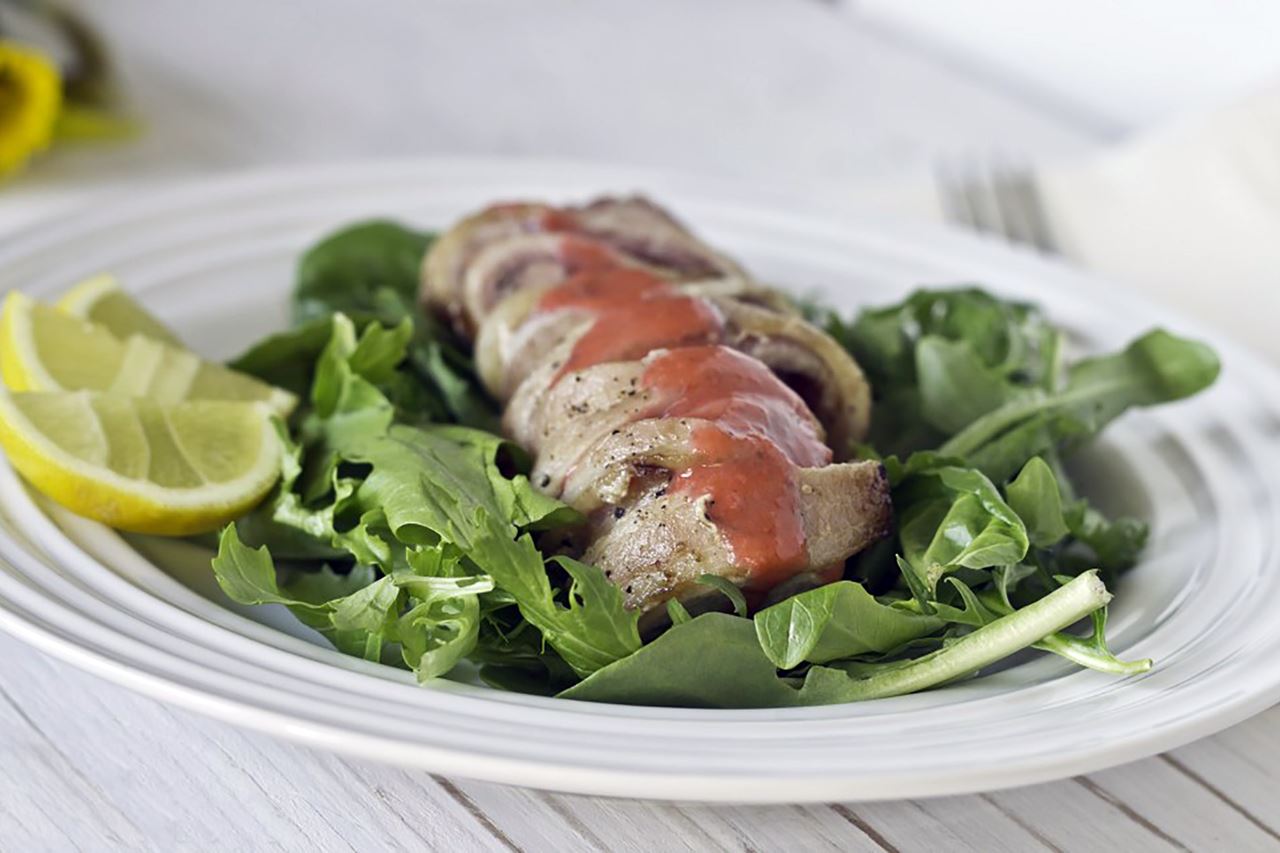
The Appeal of Rabbit Meat: Why It's Worth Seeking Out
Rabbit meat, once a staple in many traditional diets, is experiencing a well-deserved resurgence among home cooks and discerning chefs. Known for its lean profile, rich nutritional content, and versatility in the kitchen, it stands out as a healthy and humane protein choice. If you're wondering where to buy rabbit meat that meets high standards, understanding its benefits first will make your search even more rewarding. From a nutritional standpoint, rabbit meat is a powerhouse. It's exceptionally lean, low in cholesterol, and rich in essential nutrients like B vitamins (B12, niacin), iron, phosphorus, and potassium. This makes it an excellent option for those seeking healthier alternatives to more common red meats or poultry. Its mild, slightly gamey flavor is often compared to chicken but with a finer texture, allowing it to pair beautifully with a wide array of seasonings, fruits, and sauces, from rustic stews to sophisticated roasts. Beyond its health benefits, rabbit meat often represents a more sustainable and humane farming practice. Rabbits require less land and water than many other livestock, and they convert feed to protein efficiently. Many producers dedicated to raising rabbits prioritize animal welfare, often allowing them ample space and natural diets, without the routine use of antibiotics or growth hormones. This commitment to ethical sourcing is a key factor for many buyers, aligning with a desire for transparency and quality in their food choices.Where To Buy Rabbit Meat Locally: Freshness and Transparency at Your Fingertips
For many, the best answer to where to buy rabbit meat is right in their community. Local sources offer unparalleled freshness, the opportunity to support small businesses, and direct interaction with the people who raise your food. This transparency is invaluable, allowing you to make truly informed decisions about your purchases.Farmers' Markets & Local Farms
Farmers' markets are often the first port of call for specialty meats like rabbit. Here, you can meet the farmers, ask specific questions about their practices, and often purchase meat that was processed just days prior. Direct engagement with a local farm or farmer’s market vendor allows you to inquire about:- Breed and Diet: Understanding the rabbit breed and what they are fed can impact flavor and texture.
- Processing Methods: Ask about how the rabbits are processed to ensure humane handling and hygienic conditions.
- Ethical Sourcing: Many small farms pride themselves on humane practices, often raising rabbits in spacious, natural environments without antibiotics or additives.
Always call ahead to confirm availability, as rabbit meat might be seasonal or require pre-ordering. Some farms also offer direct sales from their premises, providing an even deeper insight into their operations.
Specialty Butchers & Gourmet Grocery Stores
Many specialty butcher shops and high-end grocery stores carry rabbit meat, especially if they focus on locally sourced or niche products. These establishments often have knowledgeable staff who can offer advice on cuts, preparation, and storage. While you might not speak directly to the farmer, reputable butchers can usually provide detailed information about their suppliers.Recognizing Quality in Local Purchases
When buying locally, whether from a farm or a butcher, always look for these signs of high-quality rabbit meat:- Appearance: The meat should have a firm texture and a light pink color. Avoid any meat that looks grayish or discolored.
- Smell: There should be no off-odors or sliminess. Fresh meat has a clean, subtle scent.
- Labeling: Look for clear labels indicating the breed, source farm, and processing date. Certifications from local or USDA authorities are a strong indicator of quality and safety.
A common mistake buyers make is assuming all local meat is inherently fresh or safe. Always ask questions and look for clear indicators of quality and ethical practices. For more detailed information on selecting top-tier meat, check out our Find Quality Rabbit Meat: Best Local & Online Sources Guide.
Where To Buy Rabbit Meat Online: Convenience and Nationwide Access
If local options for where to buy rabbit meat are limited, online retailers offer a fantastic solution, providing access to high-quality rabbit meat from across the country. The convenience of doorstep delivery makes it easier than ever to incorporate this healthy protein into your diet. However, choosing the right online supplier is crucial to ensure both quality and safe handling.Key Considerations for Online Suppliers
When selecting an online vendor, prioritize companies that demonstrate a strong commitment to transparent sourcing and humane practices. Look for:- Clear Sourcing Information: Reputable sellers will explicitly state where their rabbits come from, detailing the farms and their commitment to sustainable, natural, and humane raising practices. For example, some top-tier online meat purveyors like US Wellness Meats are known for sourcing rabbits from family farms dedicated to allowing animals to roam free, without the use of additives or antibiotics, resulting in superior quality and flavor.
- Customer Reviews and Certifications: Positive customer feedback and certifications (e.g., USDA inspected, humane certification) indicate reliability and adherence to high standards.
- Shipping and Packaging: High-quality online rabbit meat should always be shipped frozen and vacuum-sealed. This prevents freezer burn and maintains freshness during transit. Check that their shipping methods are designed to keep the meat at 0°F (-18°C) or below until it reaches your door.
- Options: Many online stores offer whole rabbits or pre-portioned cuts, providing flexibility for different culinary needs.
Practical Tips for Online Buying
- Verify Shipping: Confirm shipping costs, delivery times, and whether they ship to your area.
- Inspect Upon Arrival: Immediately upon receiving your package, inspect the meat. It should still be frozen solid and the packaging intact. Any signs of thawing or compromised seals should be reported to the seller immediately.
- Immediate Storage: Transfer the rabbit meat to your freezer (at 0°F / -18°C) as soon as possible to preserve its quality.
Navigating the nuances of online meat purchases is key to a positive experience. Our Rabbit Meat Buyer's Guide: Sourcing Quality & Safe Practices offers further insights into making smart online choices.
Ensuring Quality and Safety: A Buyer's Checklist
- Appearance & Scent: Look for a firm, light pink flesh without any graying or discoloration. Avoid any meat with an off-odor, sliminess, or excessive liquid.
- Sourcing Transparency: Always seek clear information about where the rabbit was raised, its diet, and the processing methods. Ethical and humane practices contribute directly to both the quality and your peace of mind.
- Packaging & Labeling: Ensure the meat is properly packaged, ideally vacuum-sealed, and clearly labeled with its source, processing date, and potentially a "best by" date. For local purchases, look for inspection labels from USDA or local health authorities.
- Proper Handling & Storage:
- Freezing: Upon purchase or arrival, if you don't plan to cook it immediately, freeze the rabbit meat at 0°F (-18°C) or colder.
- Thawing: Always thaw rabbit meat slowly in the refrigerator, never at room temperature, to prevent bacterial growth and maintain texture. A whole rabbit may take 24-48 hours to thaw in the fridge.
- Cooking: Cook thawed rabbit meat promptly, within 24 hours for optimal flavor and safety.
Common Mistakes Buyers Make
- Purchasing from Unverified Sources: Avoid buying from sellers who cannot provide clear information about their farming and processing practices.
- Ignoring Inspection Labels: Especially for local purchases, always look for health or USDA inspection labels.
- Assuming All Local Meat is Fresh: Even local meat can be improperly handled or old. Always verify its freshness by appearance and smell.
- Improper Thawing: Thawing at room temperature significantly increases the risk of bacterial contamination.
- Not Confirming Shipping Methods for Online Orders: Ensure the online retailer uses robust frozen shipping methods to protect the meat during transit.